
This article explains why men lose interest after the first date psychology using emotional triggers, dating behavior, and real relationship patterns shaped by modern dating culture. Many people experience confusion and self-doubt after a promising first date suddenly leads to silence, distance, or a lack of follow-up.
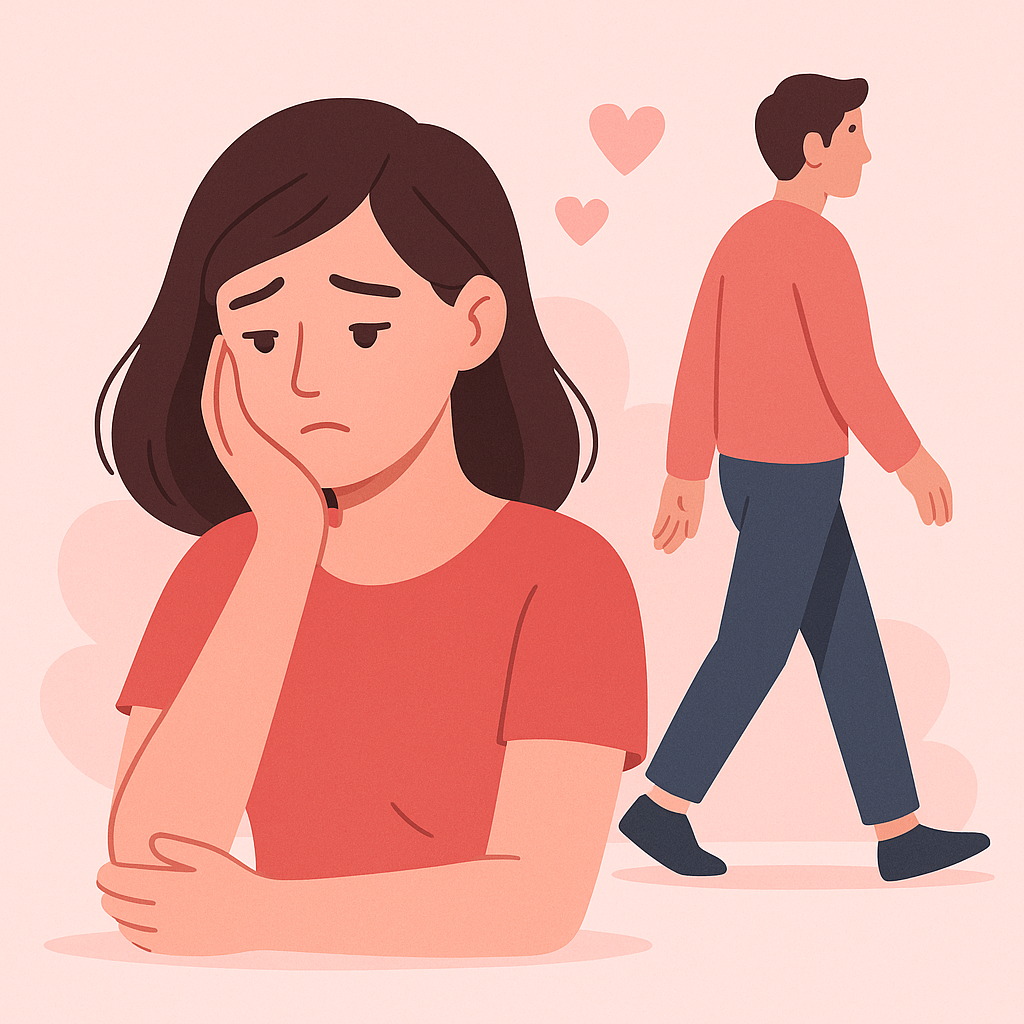
The question “why men lose interest after the first date psychology” is one of the most emotionally charged topics in modern dating. You may have felt a strong connection, enjoyed effortless conversation, shared laughter, and left the date feeling hopeful—only to notice a sudden change in communication afterward. Texts slow down, enthusiasm fades, and eventually, interest disappears altogether.
This experience can feel personal, painful, and deeply discouraging. However, in most cases, it has far less to do with your worth or behavior than it does with psychology, emotional readiness, and how attraction actually develops for men.
This in-depth article explores the psychological, emotional, and behavioral reasons men lose interest after the first date. It also explains common dating myths, modern dating dynamics, internal male decision-making processes, and how to approach dating with clarity instead of self-blame. By the end, you will understand what is happening beneath the surface—and how to protect your confidence while dating.
Understanding Why Men Lose Interest After the First Date Psychology
Dating today looks very different from how it did even a decade ago. Dating apps, social media, and constant digital connection have transformed how people meet, evaluate, and pursue romantic partners. These cultural shifts are a big part of why men lose interest after the first date psychology feels more confusing than ever.
Many men now approach first dates not as the beginning of a relationship, but as an initial screening experience. The goal is often to decide quickly whether someone fits into their life, expectations, or emotional capacity at that moment.
This means a man can enjoy a date, feel comfortable, and still decide not to continue—not because the date was bad, but because he did not feel enough internal motivation to invest further. This internal decision often happens quietly and quickly, which makes the experience seem sudden and mysterious.
The Role of Choice Overload in Dating
Choice overload is one of the biggest contributors to why men lose interest after the first date psychology. With dating apps providing access to dozens—or even hundreds—of potential matches, many men subconsciously compare experiences instead of exploring one connection deeply.
When options feel unlimited, the brain becomes less tolerant of uncertainty. Instead of allowing attraction to grow over time, some men dismiss connections prematurely, believing something better might be just one swipe away.
This comparison-driven mindset creates shallow decision-making and reduces emotional patience. It is not a reflection of your value—it is a reflection of the environment.
Dating as Evaluation Rather Than Exploration
In modern dating culture, many men have been conditioned to evaluate quickly rather than explore slowly. First dates become assessments rather than opportunities for curiosity and connection.
Questions about lifestyle, habits, values, and future goals often replace emotional flow. While compatibility matters, excessive evaluation early on can suppress attraction and emotional openness.
When dating feels like decision-making instead of discovery, interest can fade quickly—even when compatibility exists.
Psychological Reasons Men Lose Interest After the First Date
To understand why men lose interest after the first date psychology, it is essential to look beneath behavior and examine emotional processing. Attraction is not purely logical—it is influenced by subconscious beliefs, emotional conditioning, and internal fears.
1. Lack of Emotional Curiosity
Attraction requires curiosity. When a man does not feel emotionally intrigued, interest may not develop further—even if the date was pleasant.
This does not mean the conversation was boring or unsuccessful. It simply means emotional curiosity did not activate strongly enough to motivate pursuit.
Curiosity often grows over time, but modern dating rarely allows space for gradual emotional discovery.
2. Absence of Romantic Polarity
Romantic polarity refers to the emotional tension between familiarity and mystery. If a date feels too safe, overly agreeable, or strictly friendly, romantic attraction may not fully activate.
Men may enjoy the interaction but subconsciously categorize it as platonic rather than romantic, leading to disengagement.
3. Over-Analysis After the Date
Some men overanalyze their feelings immediately after a first date. Instead of letting attraction unfold naturally, they scrutinize compatibility, potential issues, and long-term feasibility.
This analytical approach can shut down emotional momentum before it has time to develop.
4. Attachment Style Triggers
Attachment styles play a powerful role in first-date outcomes. Men with avoidant attachment patterns often pull away when emotional closeness begins to form.
A positive first date can trigger subconscious fears of dependence, vulnerability, or loss of autonomy—leading to sudden withdrawal.
Behavioral Reasons Men Lose Interest After the First Date
5. The Date Felt Like an Interview
When first dates feel structured, formal, or overly focused on life logistics, emotional connection can suffer.
Men may feel evaluated instead of desired, which reduces attraction and motivation to continue.
6. Excessive Self-Disclosure Too Early
Sharing deeply personal stories, past heartbreak, or emotional trauma on a first date can overwhelm emotional capacity.
Men may feel pressure rather than connection, especially if they are not emotionally prepared for that level of intimacy.
7. Lack of Authentic Expression
If a man senses people-pleasing, performance, or emotional filtering, trust and attraction may weaken.
Authenticity creates connection; perfection does not.
Physical and Non-Verbal Factors in Why Men Lose Interest After the First Date Psychology
8. Chemistry Mismatch
Chemistry is unpredictable. Online attraction does not always translate into in-person connection.
This mismatch is common and does not reflect personal failure.
9. Body Language and Energy
Non-verbal cues such as posture, eye contact, and vocal tone strongly influence attraction.
Closed body language or nervous energy can unintentionally signal discomfort or disinterest.
10. Emotional Energy Differences
Sometimes interest fades simply because conversational rhythm and emotional pacing do not align.
Compatibility involves more than shared values—it includes emotional flow.
External Reasons That Have Nothing to Do With You
11. Emotional Unavailability
Many men date before fully processing past relationships.
A positive date can trigger unresolved emotions, causing withdrawal.
12. Misaligned Intentions
Some men are not seeking commitment, even if they enjoy dating.
When novelty fades, so does motivation.
13. Life Stress and Timing
Career pressure, family obligations, or mental stress can interfere with emotional availability.
Transition
Understanding these early dynamics is essential, but psychology alone does not tell the full story. In the next section, we will explore attachment styles in depth and examine how emotional patterns formed early in life influence men’s behavior after the first date.
Attachment Styles and Why Men Lose Interest After the First Date Psychology
One of the most influential yet misunderstood explanations for why men lose interest after the first date psychology lies in attachment theory. Attachment styles describe how individuals emotionally bond, regulate closeness, and respond to intimacy. These patterns are often subconscious and shape dating behavior more than conscious intent.
When a first date creates emotional connection, attachment systems activate. For some men, this feels exciting and motivating. For others, it feels threatening—even if the date itself was enjoyable.
Secure Attachment: Consistent Interest and Clear Communication
Men with secure attachment styles tend to respond positively to emotional connection. After a good first date, they usually follow up, communicate clearly, and allow attraction to develop naturally.
If a securely attached man decides not to pursue a second date, it is typically due to genuine incompatibility rather than fear, confusion, or emotional avoidance.
Secure men do not rely on mixed signals or prolonged silence. Their behavior is consistent and predictable, making dating feel emotionally safer.
Avoidant Attachment: When Closeness Triggers Withdrawal
Avoidant attachment is one of the most common reasons men lose interest after the first date despite apparent chemistry. Avoidant men value independence and emotional self-sufficiency. While they may enjoy connection initially, intimacy can quickly feel overwhelming.
After a first date that includes emotional openness, vulnerability, or strong rapport, avoidant men may unconsciously associate closeness with loss of control. Their nervous system responds by creating distance.
This withdrawal is often misinterpreted as lack of interest, when in reality it is an emotional self-protection strategy.
Anxious Attachment: Interest That Turns Into Internal Pressure
Men with anxious attachment styles often experience attraction intensely. After a first date, they may replay conversations, overanalyze signals, and seek reassurance.
However, this heightened emotional focus can create internal pressure. If reassurance is not immediate, anxious men may disengage to avoid anticipated rejection.
Disorganized Attachment: Hot-and-Cold Behavior
Disorganized attachment combines anxious and avoidant tendencies. Men with this style may pursue connection enthusiastically and then abruptly withdraw.
Their behavior feels inconsistent because their internal emotional experience is conflicted. Attraction and fear coexist, creating mixed signals.
Male Attraction Timelines: Why Interest Does Not Always Appear Instantly
Cultural narratives often suggest that men know immediately whether they are interested. In reality, attraction develops differently depending on emotional maturity, life experience, and personal psychology.
Understanding attraction timelines is crucial to understanding why men lose interest after the first date psychology.
Stage One: Initial Attraction and Curiosity
The first stage of attraction involves physical appearance, energy, voice, and conversational flow. This stage determines whether interest is possible, not whether it will last.
If attraction is neutral rather than intense, some men mistakenly interpret this as incompatibility.
Stage Two: Emotional Comfort and Safety
Attraction deepens when a man feels relaxed, accepted, and emotionally safe. This stage requires time and repeated interaction.
Modern dating culture often prevents this stage from developing because decisions are made too quickly.
Stage Three: Motivation to Invest
When attraction progresses, men feel motivated to invest emotionally and practically. They initiate contact, plan dates, and express interest consistently.
Men who disengage after the first date often never allow attraction to move beyond the initial stage.
Why Dating Apps Intensify First-Date Disinterest
Dating apps significantly amplify the psychological mechanisms behind why men lose interest after the first date psychology. The design of apps encourages comparison, novelty-seeking, and perceived abundance.
After a first date, many men return to dating apps and are immediately exposed to new profiles. This comparison undermines real-world connection.
The Illusion of Endless Options
When alternatives feel unlimited, emotional investment feels risky. Men may abandon promising connections in pursuit of hypothetical better options.
Reduced Tolerance for Normal Imperfection
Dating apps reduce tolerance for human imperfection. Minor quirks become reasons to disengage rather than opportunities for understanding.
Why This Is Not About Your Value
When interest fades in app-based dating, it reflects systemic patterns—not personal inadequacy.
For deeper understanding of online dating behavior and safety, these resources provide helpful insights:
Texting Patterns and Post-Date Communication Psychology
Communication after a first date plays a powerful role in whether interest grows or fades. Texting patterns often reveal emotional readiness more than attraction level.
Why Texting Changes After a Good Date
Some men pull back after a positive experience to regain emotional balance. Reduced texting is often about regulation, not rejection.
Over-Texting vs. Emotional Space
Excessive messaging can create pressure, while total silence can signal disinterest. Balanced communication fosters attraction.
Mixed Signals Explained
Mixed signals usually reflect internal conflict rather than manipulation.
Real-Life Dating Scenarios and Case Studies
Case Study 1: The Great Date That Went Nowhere
A couple shares deep conversation, laughter, and chemistry. After the date, communication fades. The man later admits feeling overwhelmed by emotional closeness.
Case Study 2: The Slow Fade
Texting becomes sporadic. Plans are vague. Interest declines without explanation. This often reflects uncertainty rather than rejection.
Case Study 3: The Sudden Ghost
Ghosting often follows emotional overwhelm or avoidance, not cruelty.
Emotional Regulation and Male Withdrawal
Many men are not taught how to process emotional stimulation. Withdrawal becomes a coping mechanism.
Why Silence Feels Safer Than Honesty
Silence avoids discomfort but creates confusion.
The Nervous System and Attraction
When emotional arousal exceeds comfort thresholds, withdrawal is physiological.
Preparing for the Next Section
In the next part, we will explore confidence, ego, masculinity, long-term compatibility, and how to respond when interest fades without losing self-respect.
Male Ego, Identity, and Why Interest Fades After the First Date
Another critical yet rarely discussed reason behind why men lose interest after the first date psychology involves ego, identity, and internal self-perception. Attraction does not exist in isolation—it interacts with how a man sees himself, his value, and his perceived ability to meet expectations.
When a date triggers insecurity, self-doubt, or perceived inadequacy, withdrawal can feel safer than engagement. This response is often subconscious and protective rather than intentional.
When Attraction Triggers Self-Doubt
If a man perceives his date as emotionally intelligent, successful, confident, or self-aware, he may internally question whether he can “measure up.” Rather than confronting that insecurity, some men disengage.
This is especially common among men who tie self-worth to competence, control, or emotional independence.
Masculinity Conditioning and Emotional Suppression
Many men are socialized to suppress emotional vulnerability. When a date evokes emotional openness, the experience can feel disorienting or unsafe.
Withdrawal becomes a way to restore emotional equilibrium.
Long-Term Compatibility vs. Short-Term Attraction
Some men approach first dates with a long-term evaluation mindset. Rather than focusing on connection, they subconsciously assess lifestyle alignment, values, and future feasibility.
If uncertainty arises—even subtly—interest may fade early.
Why Logical Evaluation Can Kill Emotional Momentum
Attraction requires emotional presence. When analysis replaces curiosity, connection weakens.
Filtering Is Not Failure
Early disengagement often means filtering worked—not that something went wrong.
How Men Process Rejection and Uncertainty
Men experience rejection differently than women, often internalizing it rather than expressing it. When uncertainty arises, avoidance may feel safer than emotional risk.
Why Some Men Exit Instead of Clarifying
Emotional communication skills are unevenly developed. Silence feels easier than explanation.
Fear of Leading Someone On
Some men withdraw because they sense they cannot meet emotional expectations.
Healthy Interest vs. Low Interest: How to Tell the Difference
Understanding behavioral patterns helps reduce overanalysis and reveals why men lose interest after the first date psychology in practical ways.
Signs of Healthy Interest
- Consistent communication
- Clear plans
- Emotional presence
- Reciprocal effort
Signs Interest Is Low
- Vague responses
- Delayed replies
- Avoidance of plans
- Inconsistency
How to Respond When a Man Loses Interest After the First Date
Your response matters—not because it will change his mind, but because it protects your emotional well-being.
What Not to Do
- Do not chase
- Do not demand closure
- Do not self-blame
What to Do Instead
- Maintain self-respect
- Observe behavior
- Redirect energy
Rebuilding Confidence After Disappointment
Dating disappointment does not define worth. Confidence grows when rejection is reframed as redirection.
For perspective on male confidence and dating psychology, this resource provides valuable insight:
Modern Dating Advice Without Self-Blame
Dating advice often focuses on fixing behavior rather than understanding psychology. Attraction is about alignment, timing, and readiness—not performance.
For broader insights into male dating behavior and mindset, this resource offers helpful context:
Extended FAQ: Why Men Lose Interest After the First Date Psychology
Why do men act interested on the date but disappear afterward?
Because enjoyment does not always translate into emotional readiness or motivation to invest, which is central to why men lose interest after the first date psychology.
Is losing interest after the first date normal?
Yes. Most first dates do not lead to second dates.
Should I follow up if he does not text?
One low-pressure follow-up is acceptable. Repeated messaging reduces attraction.
Does attraction grow over time for men?
Yes, especially when emotional safety and curiosity are present.
Can men come back after losing interest?
Sometimes, but it often reflects convenience rather than renewed commitment.
Final Reflection on Why Men Lose Interest After the First Date Psychology
When men lose interest after the first date, it is rarely about a single action or flaw. It is the result of emotional readiness, psychological patterns, timing, and modern dating culture.
The healthiest response is not to seek validation from unavailable people, but to move toward connections that feel mutual, calm, and consistent.
You are not here to convince someone to choose you. You are here to meet someone who already does.
For further reading on relationship psychology and attraction patterns, you can explore evidence-based insights at Psychology Today.



[…] person. If you want a deeper understanding of how men respond when they lose interest, you can read Why Men Lose Interest After the First Date (Psychology). Instead of exaggerating or hiding key facts, present your real life with confidence and let people […]
[…] This pattern shows up often in early dating and emotional bonding, as explored here: Why Men Lose Interest After the First Date (Psychology) […]
[…] Early relational disconnects often occur when attraction fades quickly. Learn why in this article: Why Men Lose Interest After the First Date […]
[…] Why Men Lose Interest After the First Date (Psychology) […]